
Qualcomm launches Snapdragon 865 SoC, Snapdragon 765, Snapdragon 765G SoC
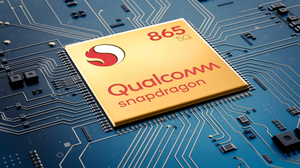

Qualcomm announced its new flagship Snapdragon 865 mobile platform, along with 5G-capable mid-range chipsets called the Snapdragon 765 and Snapdragon 765G SoCs. on Tuesday. The Snapdragon 865 is the successor to the 855. Meanwhile, the Snapdragon 765/765G is a new chipset with integrated support for 5G.
It's made of a Kryo 585 CPU and an Adreno 650 GPU with a manufactor of 7 nm from TSMC. The CPU contains four ARM Cortex-A77 cores, three of which are 2.4GHz green, while the Prime Core is 2.84GHz. They form the' quality' core of the SoC. The other four' performance' cores consist of ARM Cortex-A55 CPUs and have a clock speed of 1,8GHz at their limit. The new Kryo 585 CPU provides a boost in efficiency and energy efficience by up to 25% in comparison with the Snapdragon 855 SoC.


The GPU is expected to offer a 20% faster graphics rendering. Qualcomm said they will be running Snapdragon 865 benchmark tests to support the figures. Nonetheless, the most impressive attribute of the Snapdragon 865 is a 35% improvement in the performance of extreme operations, such as playing games.


The Snapdragon 865, 765/G, and all future Snapdragon chipsets will support the ability to update the GPU drivers via the Play Store.

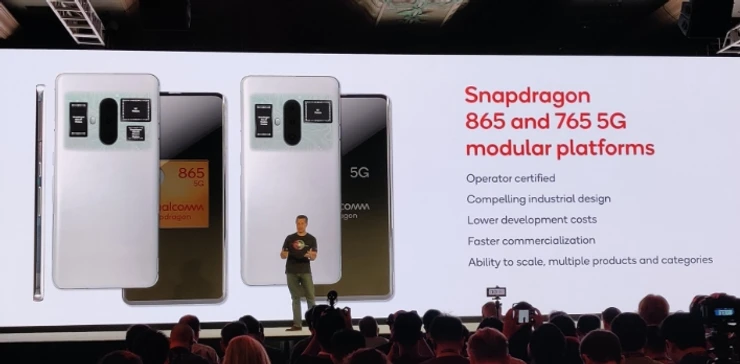
It will deliver faster download speeds–up to 7.5 Gbps–and you're probably going to find it in more devices in 2020.
Such high-speed speeds can be accomplished through the mmWave and sub 6 standards of the Snapdragon X55 5G modem from Qualcomm, the 5G backbone. But it also utilizes techniques such as Dynamic Spectrum Sharing, which blends 5G and 4G for better performance. Upload speeds are also set to improve, reaching 3Gbps in ideal 5G conditions. the Snapdragon 865 is being coupled with the Snapdragon X55 5G modem as a separate chip. This means the modem isn't actually integrated into the mobile chipset, but you also won't be able to get a Snapdragon 865 phone without the 5G chip.
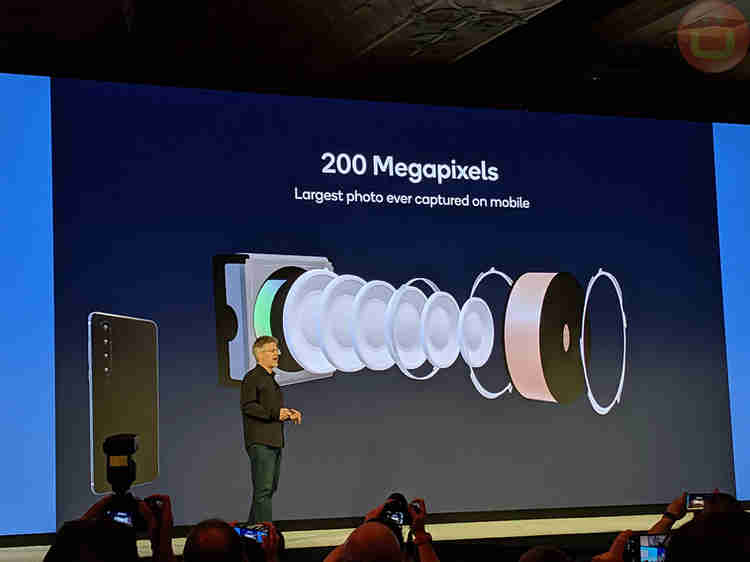
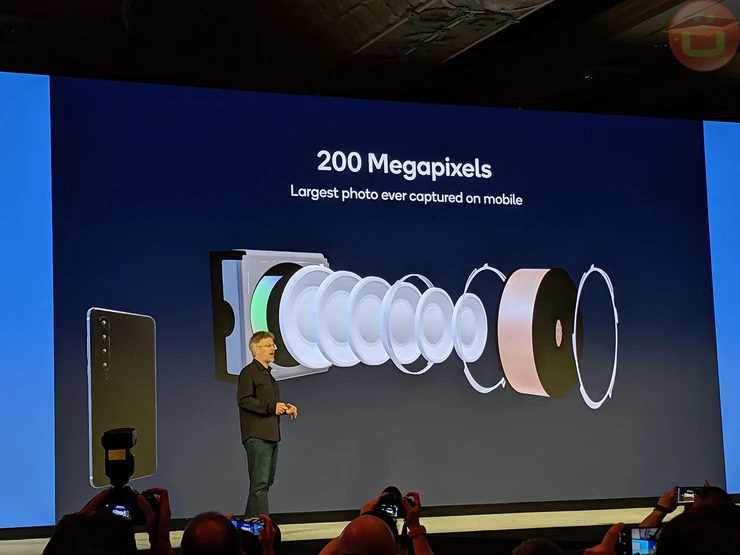
The Snapdragon 865 updates the image signal processor (ISP) dramatically, adding significant new features and capabilities for consumers. These include support for camera sensors of up to 200MP, slow motion video recording of 7200p 960fps without time limit, video capture of up to 8 K 30fps, Dolby Vision HDR system, and instant snapshots of up to 64MP while recording. Consequently, Qualcomm decreased the clock speed of the ISP to save significant power, while still pushing its efficiency to two gigapixels a second by 40 percent.
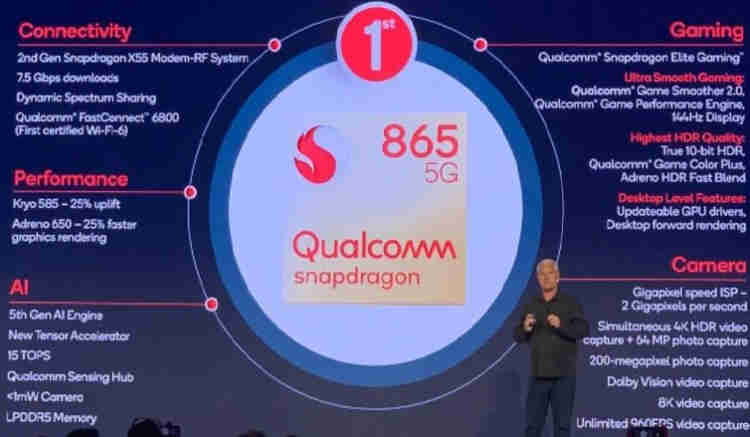

The Snapdragon 865 also offers a Qualcomm cellular networking module (FastConnect 6800), and includes support for Wireless 6 and Bluetooth 5.1, Super Wide Band voice over Bluetooth and TrueWireless Plus, making for more secure communication with every true wireless earbud. The Hexagon 698 and Tensor accelerator bring a 5th gen AI engine which doubles the performance of its predecessor. the Snapdragon 865 SoC supports up to 144Hz refresh rate displays and 10-bit HDR.


The other news is Qualcomm's latest 3D Sonic Max on-screen fingerprint technology The new sensor has a considerably larger workable region and even allows the consumer to authenticate using two hands, like the use of both thumbs. There is also a great improvement in Scanner performance.


the company also announced that its latest two chipsets will support a virtual driver’s license or identification document via Android’s Identity Credential API. which means that mobile drivers’ license and electronic ID will be possible with Android R.


Due to the embedded Snapdragon X52 5 G modem the Snapdragon 765 SoC and the Snapdragon 765 G SoC are also a big step in the current series. Such chips are also manufactured by Samsung, rather than TSMC, with the 7 nm technology. Qualcomm claims these two chips reflect an important step in the global marketing of 5G. In these new chips the 5 G modem allows a total download speed of 3.7Gbps and upload speeds of up to 1.6Gbps. Similarly, Snapdragon X55 supports all the essential 5 G networking capabilities including mmWave, sub6GHz, 5 G SA and NSA modes, DSS, 5 G roaming and multi-SIM support for TDD and FDD channels.



